L Lady's Island Mosquito Control

Mosquito Control

Seasonal Mosquito Program in Beaufort, SC

Our seasonal mosquito program treats breeding sites and shaded resting areas on individual properties in Beaufort County and the Sea Islands.

  • ✓Mon-Fri 9am-9pm, Closed Weekends
  • ✓Barrier & Residual Yard Treatments
  • ✓Beaufort, Lady's Island & Sea Islands

Beaufort's humid subtropical climate keeps mosquitoes active from March into November. Salt marsh mosquitoes fly in from tidal creeks and high marsh after king tides or storm surge, while Asian tiger mosquitoes breed in containers around homes and rest in live oak shade and ivy. Container-breeding species also develop in gutters, plant saucers, and tree holes on lots in The Point, Spanish Point, and Higginsonville. County truck and aircraft work reduces numbers across public land but leaves private yards, docks, and porches untreated.

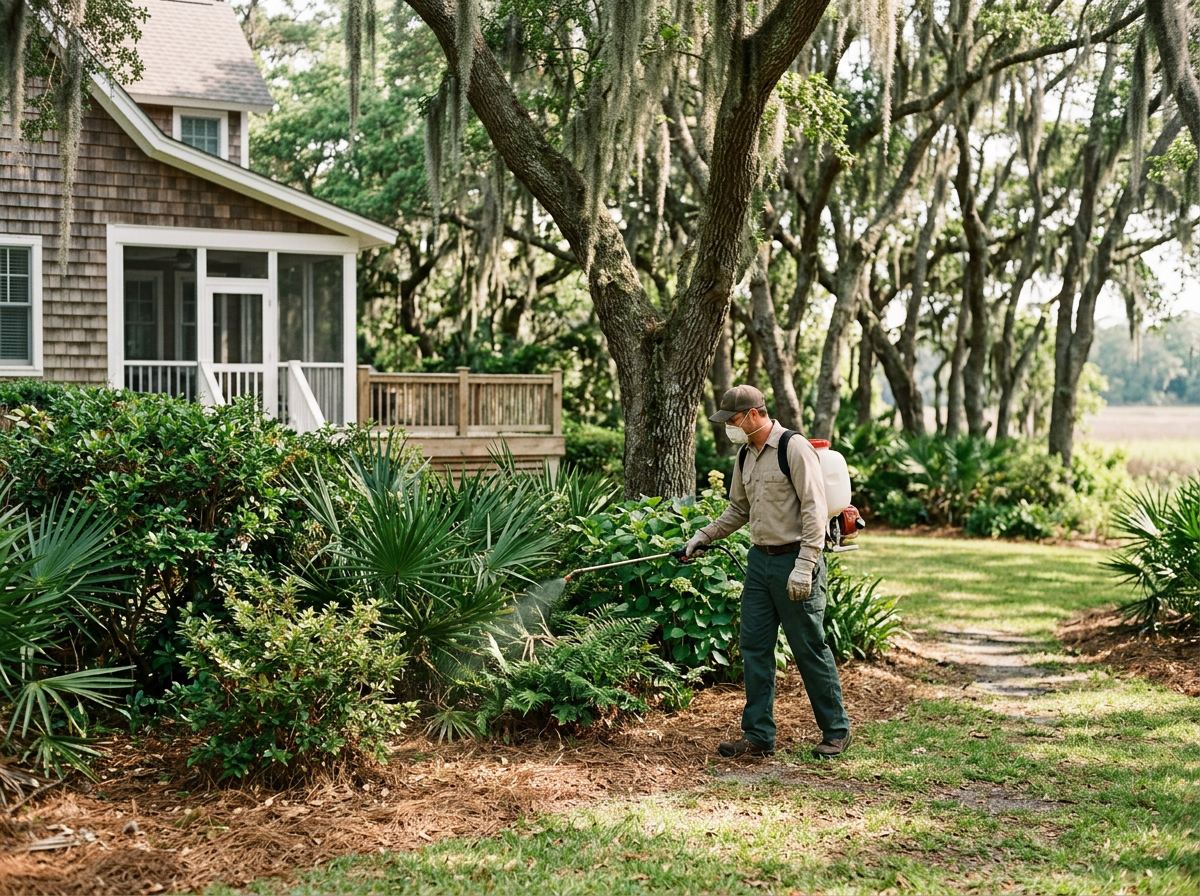
Our technicians begin with a yard inspection that maps standing water, drainage swales, and shaded spots under decks or raised Lowcountry houses. We apply residual barrier treatment to leaf undersides and shrub beds with a backpack mist blower, then place larvicide or insect growth regulator in water that cannot be drained such as bromeliads and retention ponds. On marsh-front lots near Battery Creek or the Beaufort River we also treat dock boxes, boat covers, and crawl space vents where daytime biters hide.

Re-treatment intervals account for summer thunderstorms that wash residue and for the long warm season that lets new larvae hatch after each high tide. We focus on the specific resting areas around screened porches, outdoor kitchens, and Spanish moss-draped oaks common to antebellum and raised pier homes. This property-level work fills the gap left by county sprays on public roads and waterways throughout Port Royal, Lady's Island, and St. Helena Island.

Technician insight

In Beaufort, the thing that catches most people out with Seasonal Mosquito Program is how tidal flooding and king tides push salt marsh mosquitoes from the high marsh straight onto lots with raised houses on piers. Homeowners often miss the water that collects under those houses and in dock boxes after each cycle.

Spanish Point Waterfront Lot

A homeowner on a tidal creek lot noticed daytime biters on the porch despite county sprays. We found larvae in bromeliads and standing water under the raised house plus heavy resting activity in ivy along the marsh edge. Barrier treatment and larvicide placement reduced activity within days and follow-up visits kept the yard usable through the remaining warm season.

Seasonal Mosquito Program Services We Offer

✓Initial Yard Inspection and Mapping

We walk the full lot to locate breeding sites in containers, tree holes, and drainage areas that county sprays never reach.

✓Barrier Treatment on Vegetation

Residual application reaches the underside of leaves and shrub beds where mosquitoes rest during the day on Lowcountry lots.

✓Larvicide Placement in Standing Water

We treat water that cannot be emptied such as plant saucers, birdbaths, and tidal swales to stop larvae before they emerge.

✓Dock and Perimeter Service

Targeted work on docks, boat covers, and marsh edges reduces salt marsh mosquitoes that move onto private waterfront properties.

✓Seasonal Re-Treatment Visits

Follow-up applications maintain protection through thunderstorm wash-off and repeated tidal flooding common in Beaufort County.

How it works

  1. 1

    Site Walk And Breeding Site Survey

    Technicians inspect every corner of the yard, noting containers, tree holes, and shaded areas around the home and dock.

  2. 2

    Targeted Barrier Application

    Residual treatment is applied to resting spots on vegetation and under structures using equipment suited to Lowcountry lots.

  3. 3

    Larval Source Reduction

    Larvicide or insect growth regulator is placed in any water that cannot be drained on the property.

  4. 4

    Scheduled Follow-Up Treatments

    Return visits are timed to local rain and tide patterns to keep protection consistent through the season.

What's Included in the Visit

Monthly Barrier Treatments

Every visit includes a full barrier application to vegetation, shaded resting areas, and structure perimeters using a backpack sprayer and, where needed, a ULV fogger. We treat the areas mosquitoes actually use, not just the open lawn.

Larvicide for Standing Water

We apply larvicide or spinosad to standing water we can't drain: ditches, low spots, plant saucers, and anything else holding water. This stops the next generation before it hatches, which is the single most effective step in mosquito control.

Breeding Site Identification

During each visit, we check for new breeding sites and flag drainage problems that need your attention. If a gutter is clogged or a drain is blocked, we'll tell you so you can fix it and cut your mosquito population at the source.

Season-Long Scheduling

We handle the calendar, send reminders before each visit, and adjust timing around your plans.

Tools and Methods We Use

Backpack Sprayer

Our primary tool for barrier applications. It lets us treat foliage, fence lines, and structure perimeters with precise coverage, including the undersides of leaves where adult mosquitoes rest during the day.

ULV Fogger

Used for targeted fogging when mosquito pressure is high or before an outdoor event. The ultra-low-volume fog reaches dense vegetation and shaded areas a sprayer can't fully penetrate.

Mosquito Trap Stations

Placed strategically around the property to monitor species and population levels. Trap data tells us whether our treatments are working and where mosquitoes are still getting through.

Larvicide Dunk Applicators

For precise placement of larvicide in standing water, ditches, and containers.

Thermal Fogger

Reserved for heavy infestations and pre-event treatments. The heated fog penetrates dense shrubbery and marsh-edge vegetation where adult mosquitoes shelter in large numbers.

Stagnant Water Pump

When a low spot or abandoned container is holding water we can't treat effectively, we pump it out and treat the area. Removing the water removes the breeding site entirely.

Lady's Island Mosquito Control — mosquito control in Beaufort

Good to know

Seasonal Mosquito Program — FAQs

Still have questions? We're happy to talk it through.

(843) 555-0147
+ How does this differ from Beaufort County mosquito spraying?
County work covers public roads and open areas by truck or aircraft. Our program treats the actual yard, shaded spots, and standing water on private property.
+ What mosquitoes are most common on Sea Island lots?
Salt marsh mosquitoes arrive after high tides while Asian tiger mosquitoes breed in containers and rest in live oak shade and ivy around homes.
+ How often are re-treatments needed?
Intervals are set according to summer thunderstorms and tidal flooding that can wash treatments and create new breeding sites.
+ Do you treat docks and boat covers?
Yes, dock boxes, boat covers, and marsh edges receive targeted work because they sit close to salt marsh breeding areas.

Need Mosquito Control in Beaufort, SC?

Talk to a local mosquito control company serving Beaufort and nearby neighborhoods. Workmanship you can inspect directly on your property after each visit.

Business hours

Mon–Fri 9am–9pm

701 Carteret St, Beaufort, SC 29902

Call now Request a callback